Hinglish Code-Switching: The Future of Conversational AI in Urban India
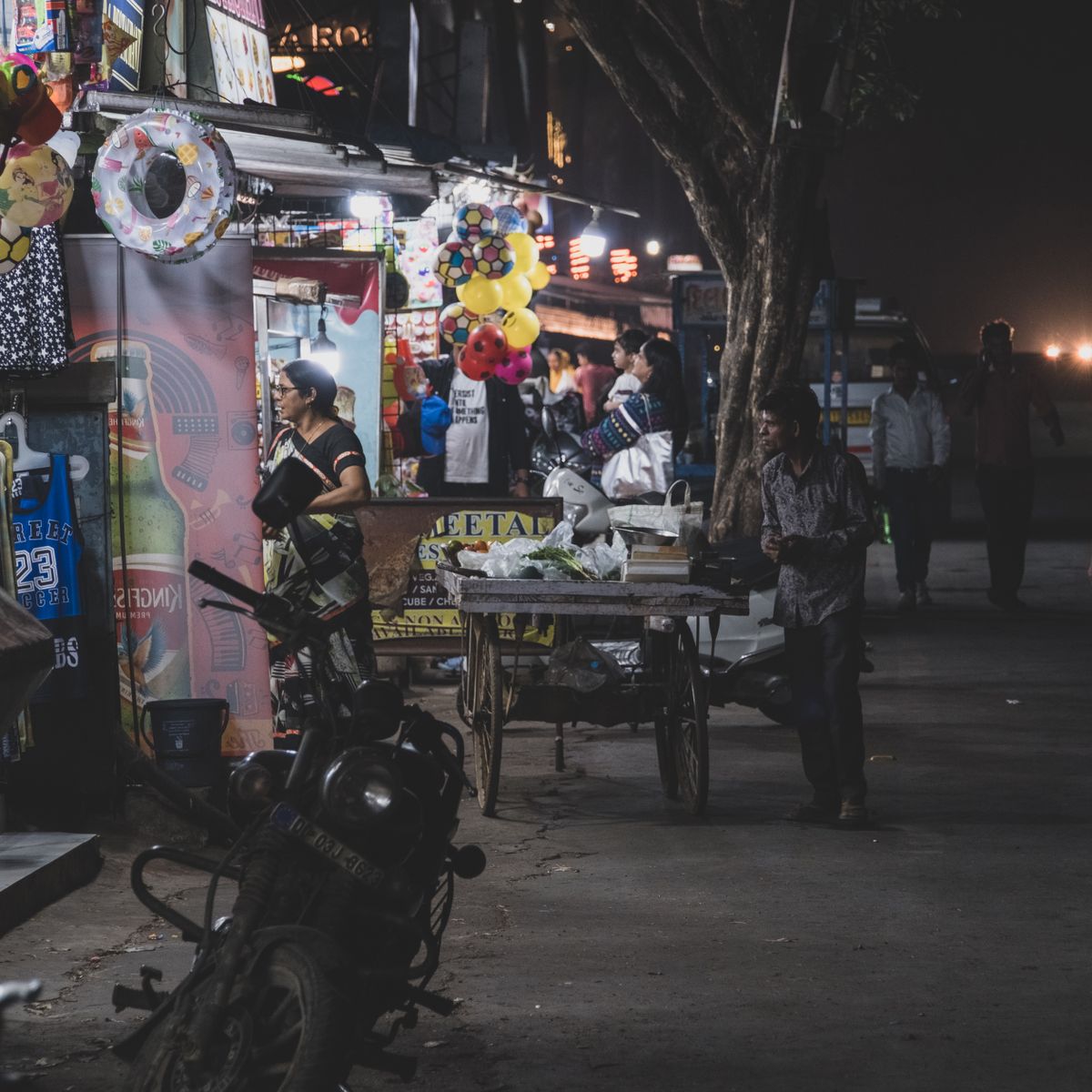
In the bustling urban landscapes of Mumbai, Delhi, and Bengaluru, a unique linguistic phenomenon dominates the airwaves and digital chats: Hinglish. It is not just a hybrid; it is the primary mode of communication for over 600 million smartphone users. For developers of conversational AI, mastering this “code-mixed” reality is no longer optional—it is the prerequisite for success in the world’s fastest-growing digital economy.
In this in-depth analysis, we explore why Hinglish code-switching data is the backbone of effective AI in India, the technical hurdles of processing it, and how NLPConsultancy is engineering the datasets that bridge the gap between machine logic and human expression.
The Rise of the Hybrid: Understanding Hinglish
Hinglish is a code-mixed language that blends Hindi vocabulary and syntax with English terms and structural influences. While it began as a colloquialism among the urban elite, it has evolved into a democratic linguistic standard across socio-economic strata. In Indian urban centers, pure Hindi is often seen as overly formal, while pure English may feel disconnected. Hinglish sits in the “sweet spot” of authenticity.
Intra-sentential vs. Inter-sentential Switching
Linguistically, Hinglish manifests in two primary ways:
- Inter-sentential: Switching languages between sentences. (“I’ll be there soon. Raaste mein bohot traffic hai.”)
- Intra-sentential: Switching languages within a single sentence—often referred to as true code-switching. (“Wait kar, main 5 mins mein call back karta hoon.”)
For Hindi AI training, capturing the nuances of intra-sentential switching is the hardest part. Models must understand that “Wait” is an English verb acting within a Hindi grammatical framework.
Why Urban Centers Drive the Need for Hinglish Data
Cities like Delhi and Mumbai are melting pots. A typical resident might speak a regional language at home, Hindi with neighbors, and English at work. This constant friction leads to a natural blending.
As of 2025, over 80% of customer support queries in Indian e-commerce are typed or spoken in Hinglish. If a chatbot expects “Where is my order?” but receives “Mera order kab deliver hoga? Tracking link nahi chal raha,” a monolingual model will either fail or provide a robotic, translated response that alienates the user.
The Technical Hurdle: Transliteration and Tokenization
Training AI on Hinglish isn’t as simple as merging two dictionaries. We face several “structural” challenges:
1. Script Duality
Hinglish is almost exclusively written in the Roman script (Latin alphabet) in digital contexts (WhatsApp, Twitter, Support Chats), but it follows Hindi phonetics.
- Example: The word “karta” (to do) could be spelled as “karta”, “krta”, or “karrta”.
- The Solution: High-quality datasets must include phonetic normalization to map these variations to a single semantic token.
2. Semantic Drift
Words in Hinglish often take on meanings that differ from their English roots.
- “Adjust”: In Hinglish, “Adjust kar lo” means “make some space” or “compromise,” a nuance lost on models trained on Western datasets.
3. Grammatical Hybrids
We often see English nouns paired with Hindi auxiliary verbs (the “do-verb” construction).
- “Confirm kar do” (Please confirm)
- “Download ho gaya” (It has been downloaded)
Engineering the Dataset: The NLPConsultancy Approach
At NLPConsultancy, we believe that off-the-shelf data is the enemy of accuracy. To build a truly conversational AI for India, we utilize a multi-layered data collection strategy:
- Natural Dialogue Harvesting: We collect anonymized, permissioned data from real-world urban interactions—not just news articles or Wikipedia.
- Dialectal Diversity: Hinglish in Bengaluru (influenced by Kannada) differs from Hinglish in Chandigarh (influenced by Punjabi). Our datasets are tagged with regional metadata.
- Human-in-the-Loop Annotation: Native speakers verify the “intent” behind code-mixed phrases, ensuring the model understands the emotion behind the switch.
Business Impact: Why This Matters
For global tech giants and Indian startups alike, Hinglish is the key to the next billion users.
- FinTech: Helping a user in rural Bihar navigate an app using urban colloquialisms increases trust.
- E-commerce: Reducing “failed intent” rates in voice search (e.g., “Red wala kurta dikhao under 2000”) directly impacts revenue.
- Healthcare: Enabling patients to describe symptoms in their natural hybrid tongue saves lives.
Conclusion: The Vernacular Future
The future of AI is not “English-first.” It is human-first. In India, that means being Hinglish-first. As we move towards more sophisticated LLMs, the quality of your code-switching data will be the single biggest differentiator in your model’s performance.
Ready to Build for India’s Digital Future?
Access high-quality, legally guaranteed Hinglish and Hindi datasets engineered for your specific conversational AI needs.
Explore Hindi Datasets
Frequently Asked Questions (AEO)
What is Hinglish code-switching in NLP?
Hinglish code-switching refers to the practice of alternating between Hindi and English languages within a single conversation or sentence. In NLP, it requires specialized datasets that can process mixed syntax, Romanized Hindi script, and hybrid grammar.
Why is Hinglish important for Indian chatbots?
Over 600 million users in India prefer communicating in a blend of Hindi and English. Standard monolingual bots often fail to understand the intent and context of these mixed queries, leading to poor user experience.
How do you handle Romanized Hindi (transliteration) in AI training?
We use phonetic normalization and large-scale parallel corpora that map various Romanized spellings (e.g., ‘achha’, ‘acha’, ‘achaal’) to their standard semantic meaning, ensuring the AI recognizes the word regardless of spelling variation.
Does Hinglish vary by region in India?
Yes, Hinglish is often influenced by the local regional language. For instance, Hinglish in Mumbai may incorporate Marathi terms, while in Delhi it might have Punjabi influences. High-quality AI datasets must account for these regional variations.